The Laurel

A Historic Setting for Modern Living.

Preserving the Past, Embracing the Future

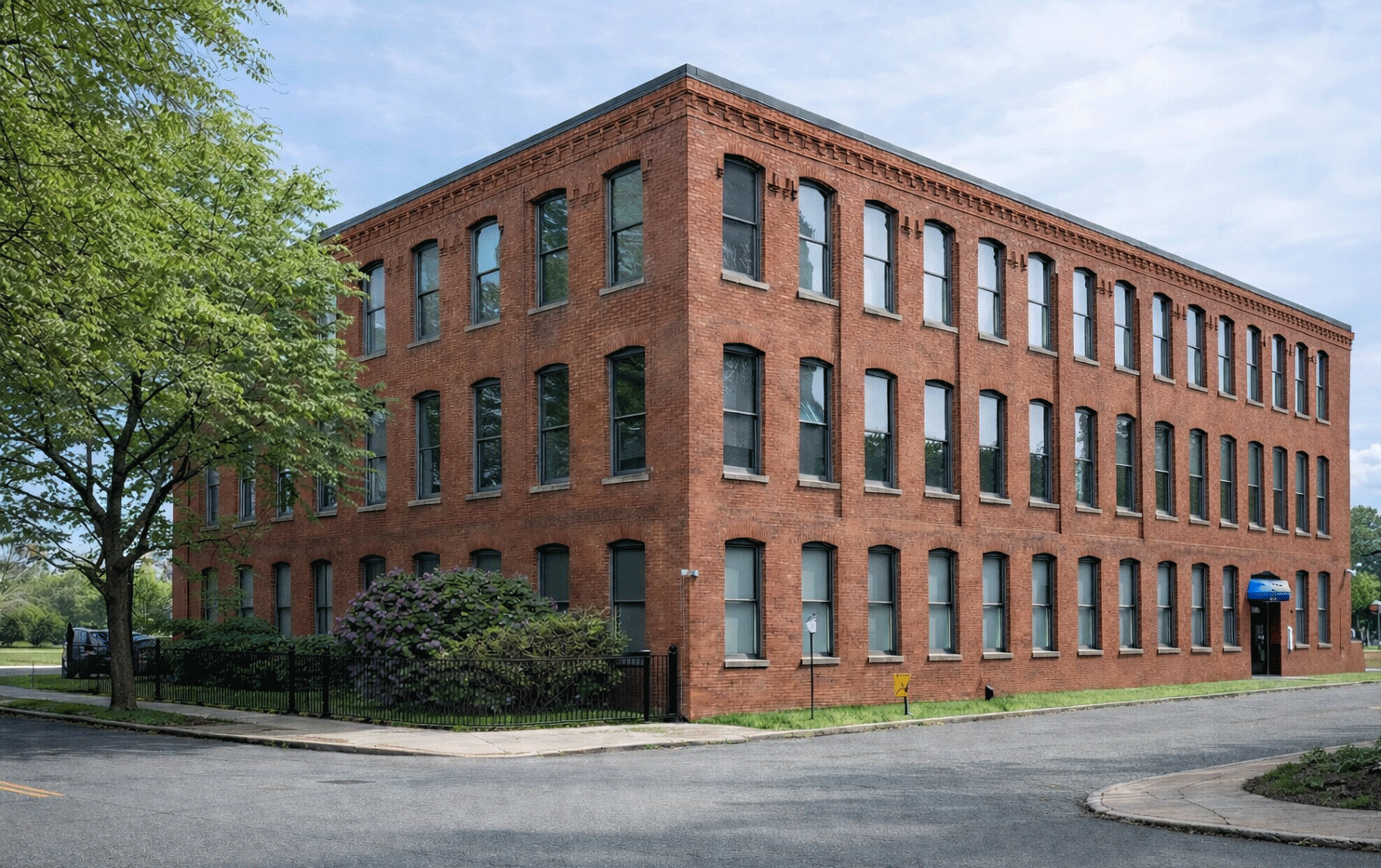
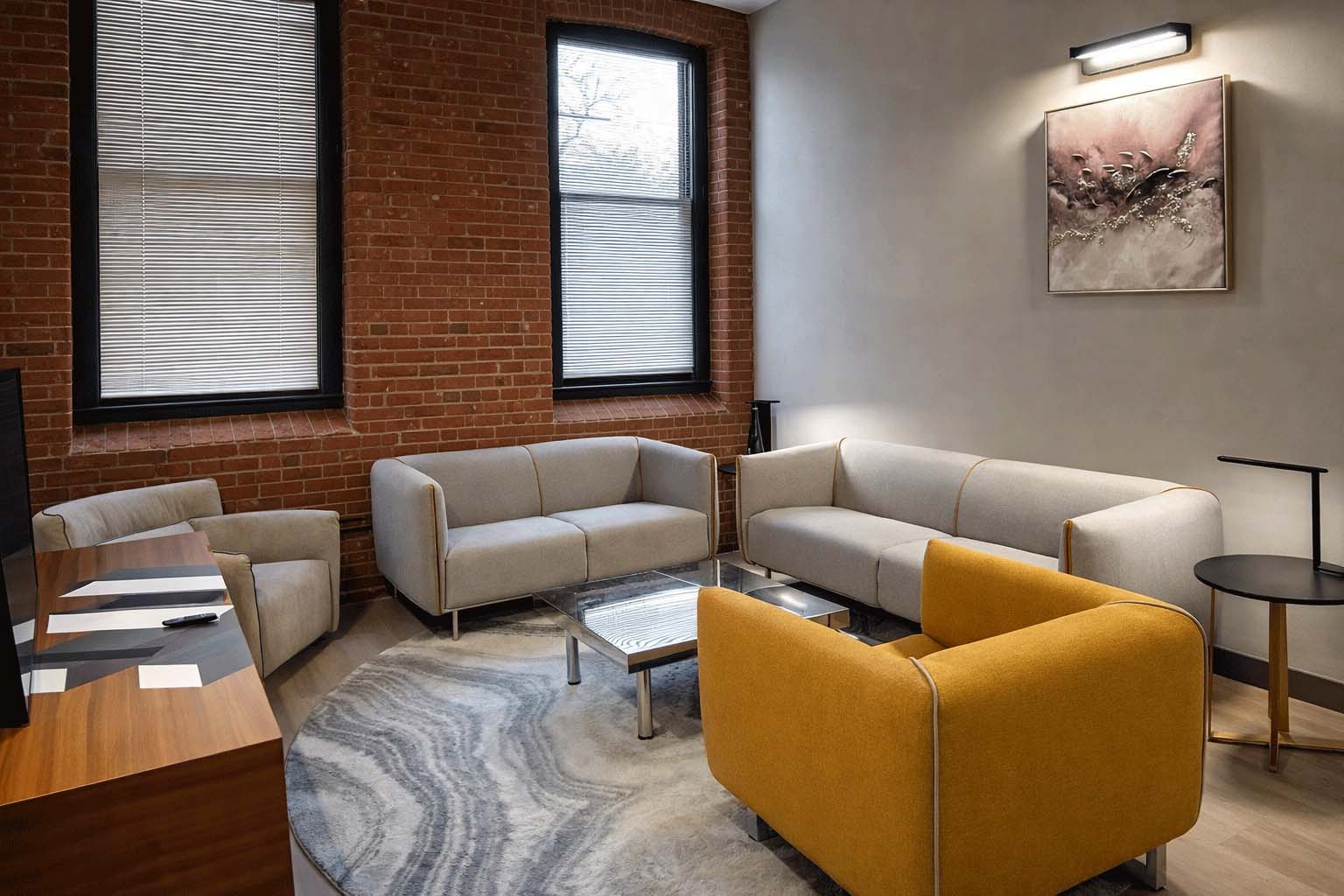
Once home to Hartford’s manufacturing era, 30 Laurel Street has been carefully reimagined as a modern residential community. The building’s historic character remains present in its scale and structure, while the interiors have been redesigned to support contemporary living.

The result is a collection of thoughtfully planned homes that balance comfort, functionality, and authenticity. This is living shaped by history, refined for today.

Designed for Living

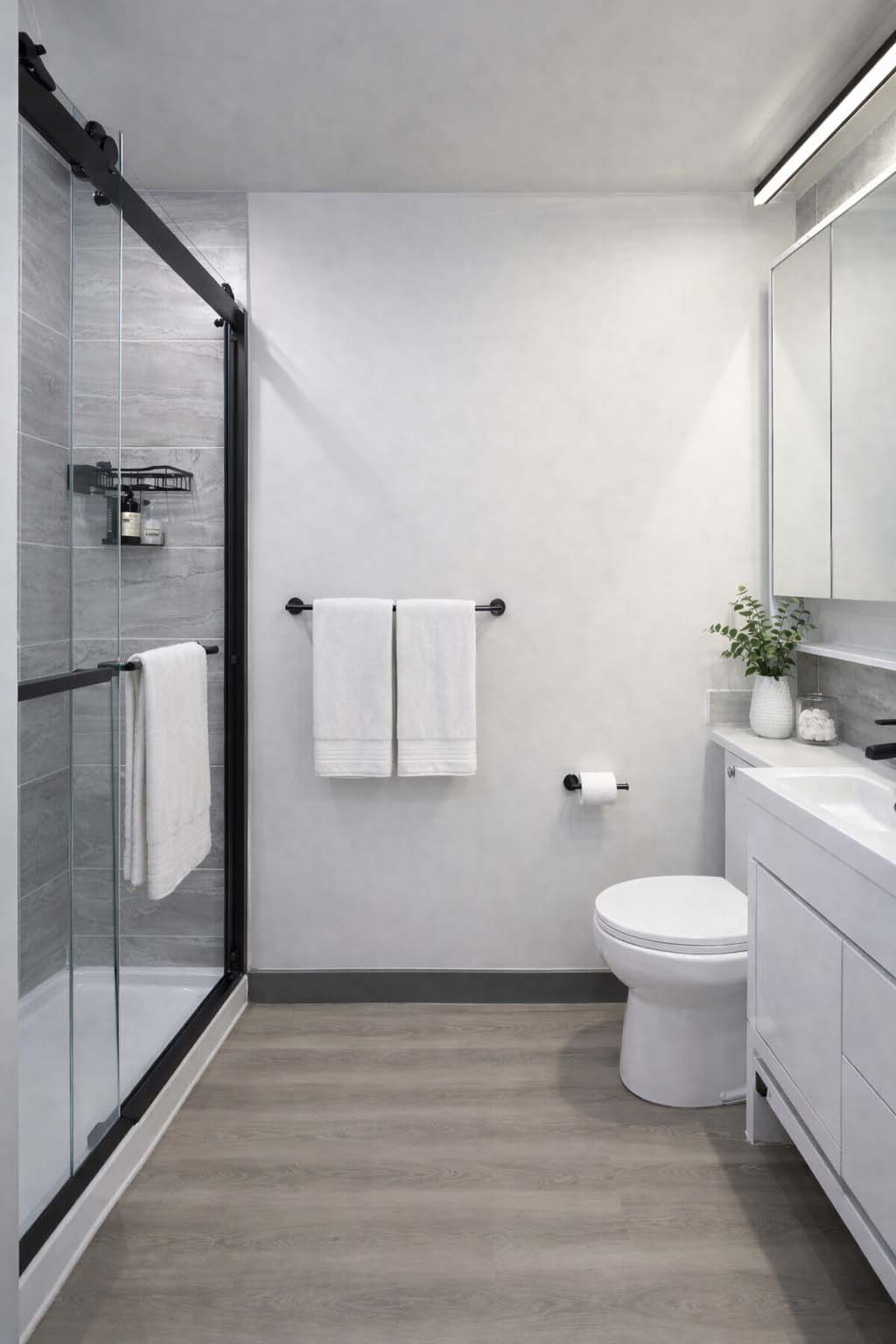
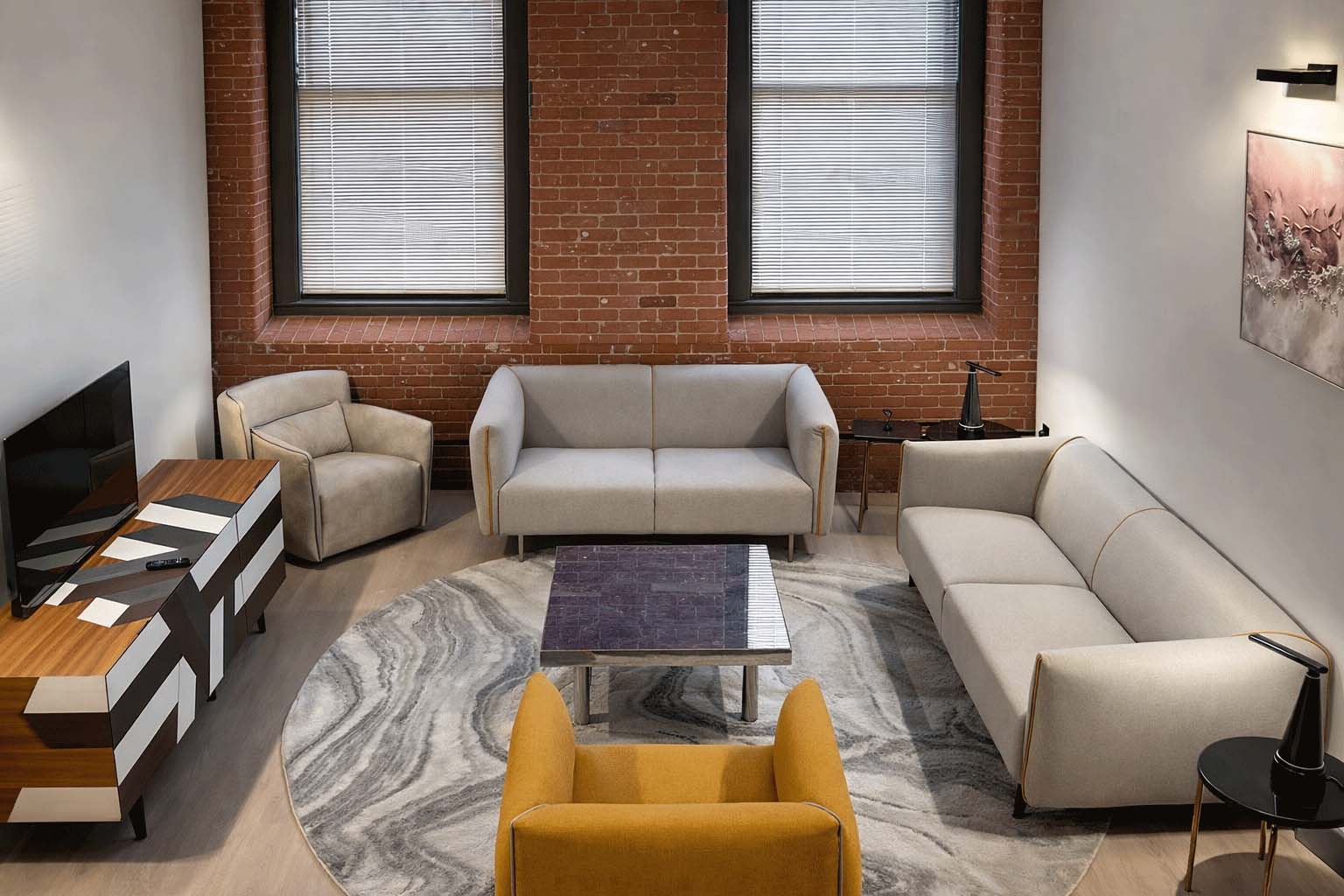
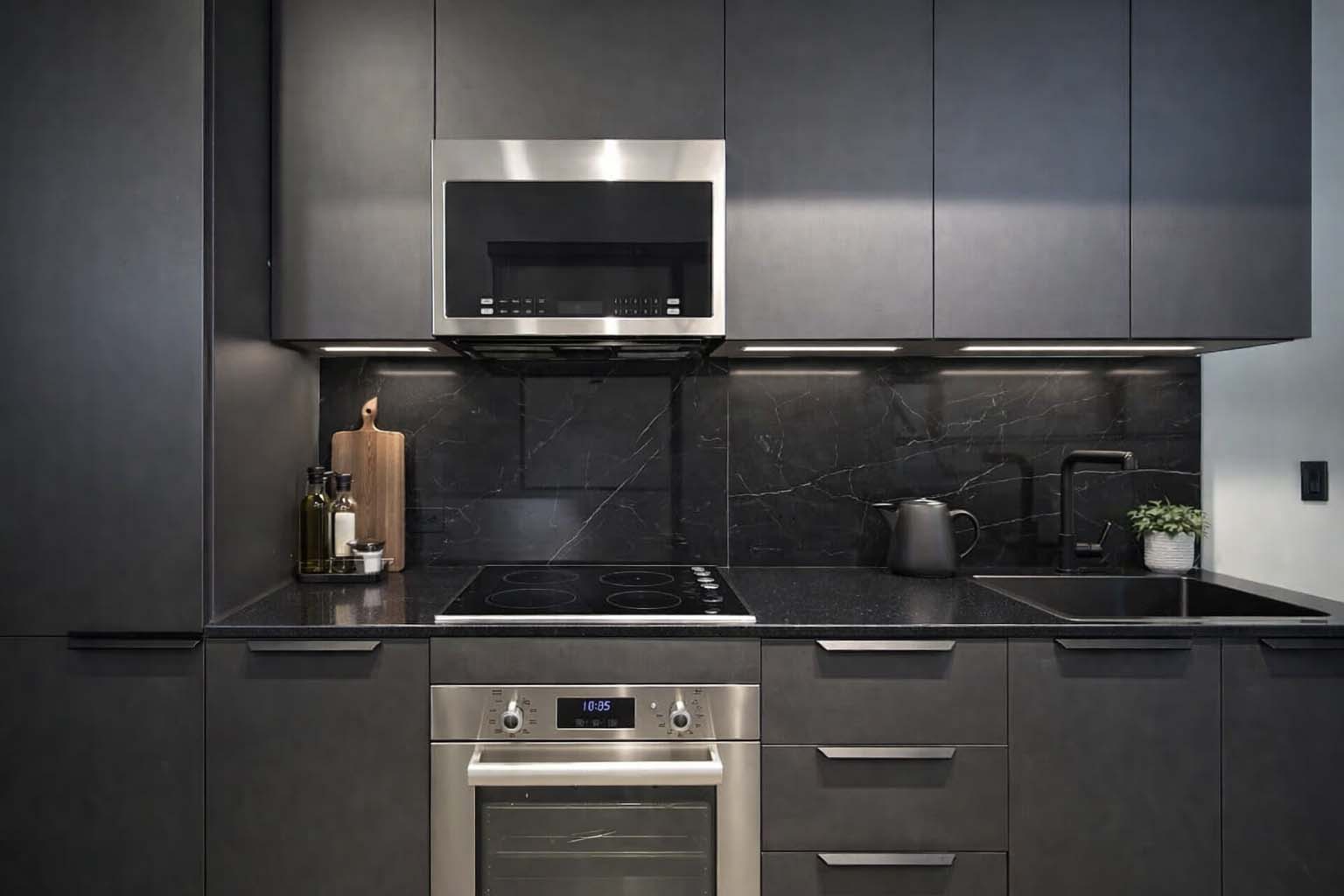
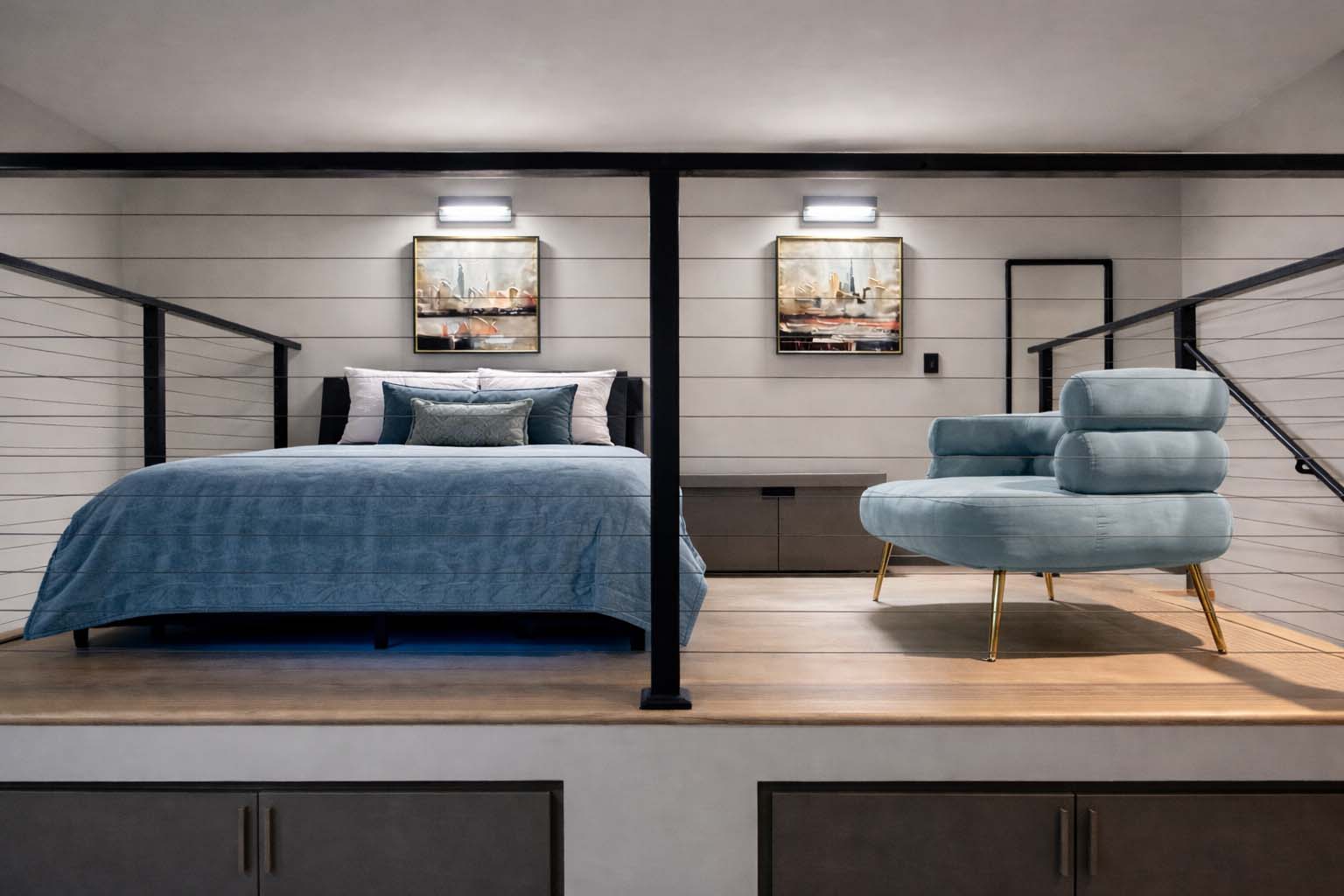
The residences at 30 Laurel Street combine modern interiors with a building defined by history. Thoughtful layouts and contemporary finishes create comfortable, well balanced living spaces.

Each apartment is designed to feel clear and functional, with an emphasis on proportion, natural light, and everyday usability. Modern materials and finishes are selected to complement the building’s original structure, allowing the architecture to remain present while supporting contemporary living.

An oasis of modern Amenities

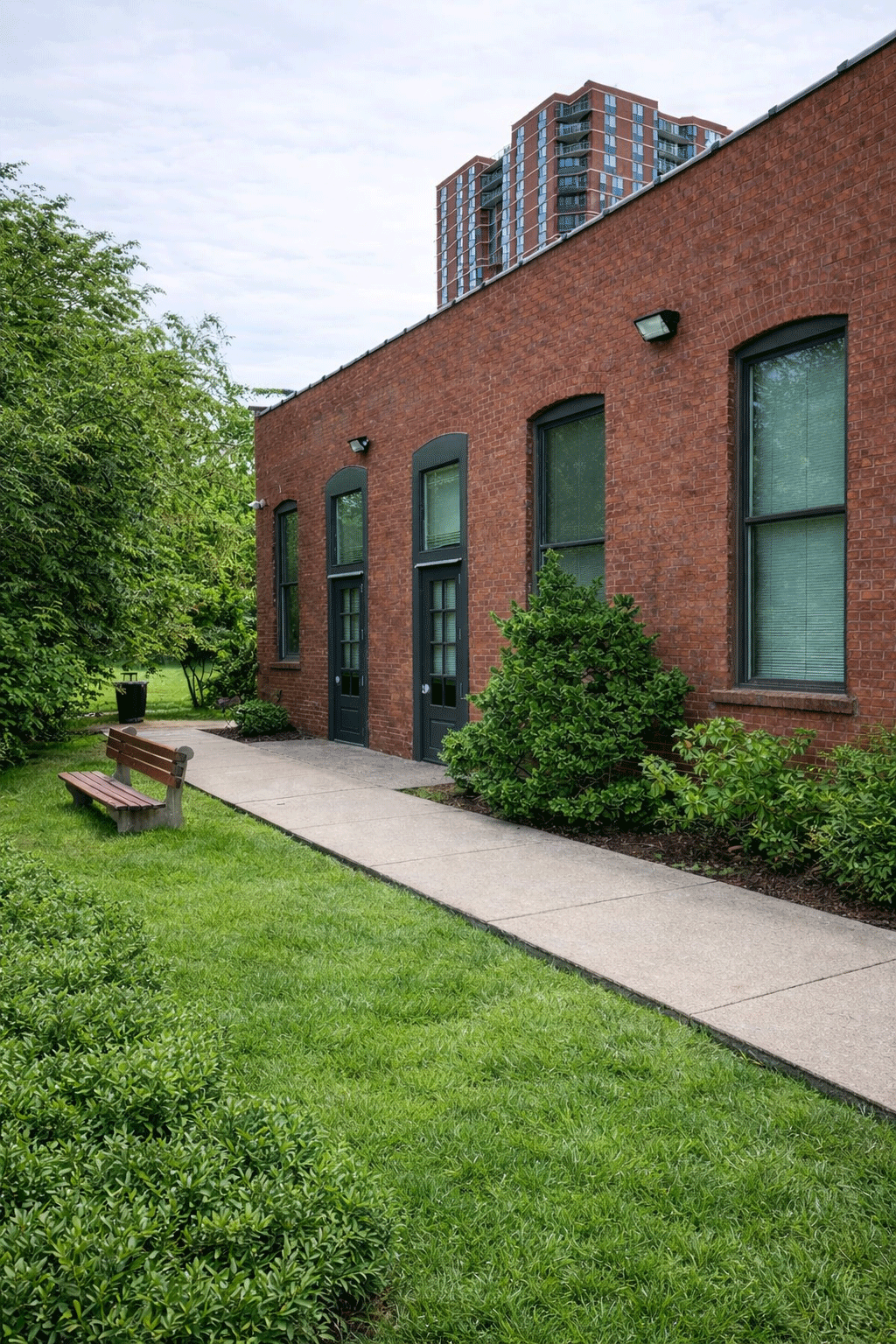
Thoughtfully designed residences with access to Hartford’s Pope Park.

  • STYLISH interiors
  • Thoughtful layouts
  • On-site parking
  • washer/dryer in unit
  • open lawns for recreation
  • neighborhood outdoor space
  • pope park access
  • Walking & Jogging paths
Historic Foundations

Originally built in the early twentieth century, 30 Laurel Street was part of Hartford’s manufacturing landscape. The building’s form and construction reflect the practical, enduring design principles of its time. That original framework remains the foundation for its current transformation.

A Legacy Reimagined

Originally constructed during Hartford’s industrial era, 30 Laurel Street reflects a period when buildings were designed for durability, utility, and longevity. Once home to manufacturing operations, the structure played a role in the city’s early industrial economy. Today, the building has been carefully reimagined as a residential community, preserving its historic character while introducing modern living spaces designed for contemporary use.

48 Residences

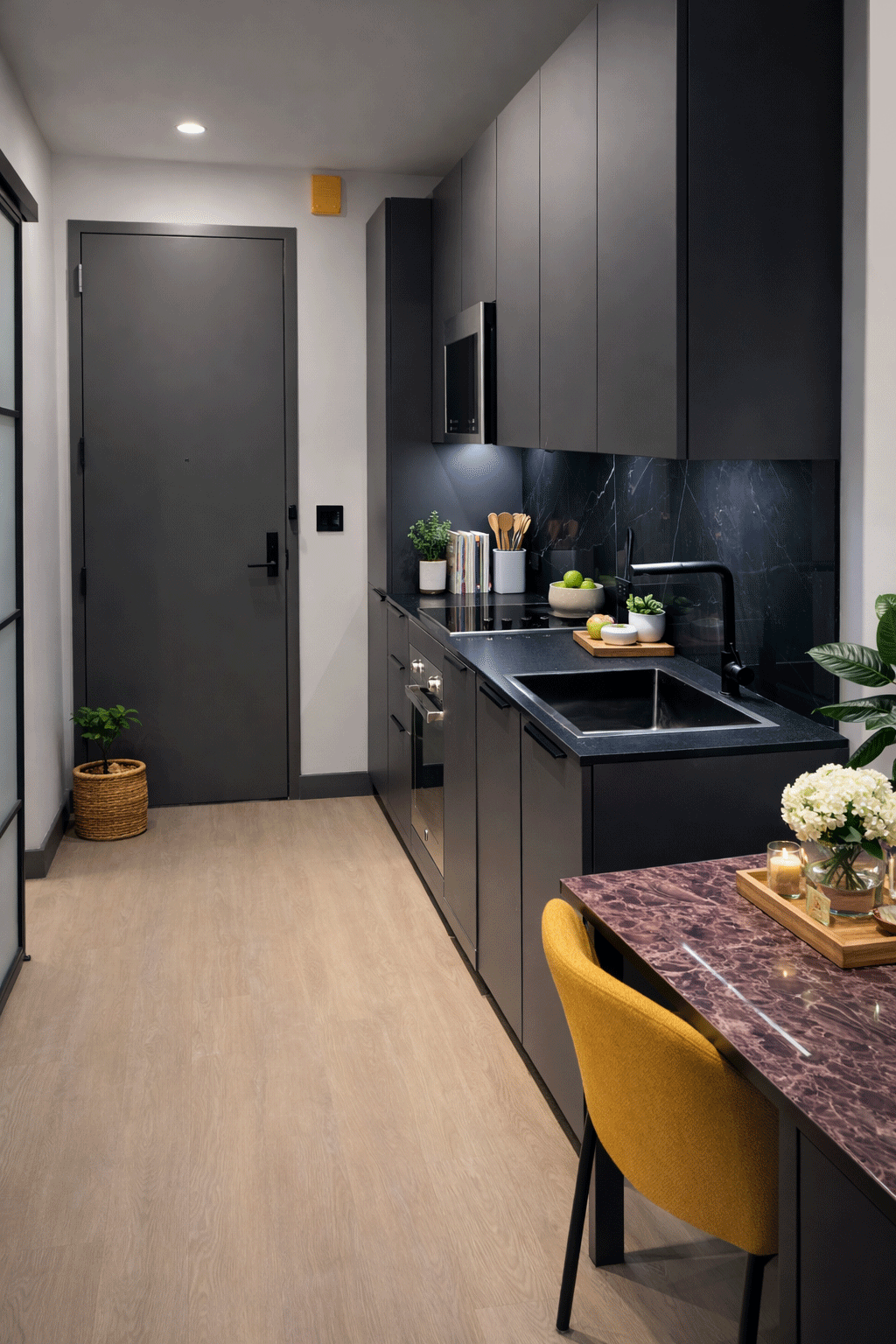
The building now offers 48 studio, one bedroom, and two bedroom residences. Each home is designed to fit comfortably within the building’s historic structure while meeting modern standards for living. Layouts are efficient, balanced, and thoughtfully planned.

Adaptive Reuse

The transformation reflects a measured approach to adaptive reuse. Historic structure and modern intervention work together, allowing the building’s past to remain visible while supporting contemporary residential use. The result is architecture that feels continuous rather than recreated.

Enduring Design

Built to last, the structure provides a solid framework for modern living. Its scale, materials, and proportions continue to shape the experience of the spaces within. This is a building designed for longevity, now serving a new purpose.

The Residences

Studio, One, and Two Bedroom Residences